Pre-orders are now open!
Free shipping in Italy!
Through November 15
Pre-orders are now open!
Free shipping in Italy!
Through November 15
Pre-orders are now open!
Free shipping in Italy!
Through November 15
March 6, 2026
In recent years, panettone become much more than just a Christmas dessert. It’s a topic of debate, a statement of style, a declaration of intent. Today, people talk about it all year round, comparing its rise, ingredients, and aromas, and even traveling to taste it. Yet, precisely because panettone become part of everyday conversation, recognizing a true panettone has never been more important.
.jpg)
Reading Time

10
Min
In recent years, panettone become much more than just a Christmas dessert. It is a subject of debate, a statement of style, a declaration of intent. Today, people talk about it all year round, comparing its rise, ingredients, and aromas, and even traveling to taste it. Yet, precisely because panettone become part of everyday conversation, recognizing a true panettone has never been more important.
The word "artisan" on the label is not enough. A high price is not enough. Attractive packaging is not enough. Real quality lies in the details, and knowing how to read them means transforming the tasting experience into a conscious one.
.png)
A panettone isn’t made in a hurry. Time is its main ingredient—the one you can’t see, but which determines everything else. A true panettone days of preparation, long resting periods, controlled fermentation, and waiting times that cannot be shortened without compromising quality.
When panettone mass-produced, the process is rushed, forced, and reliant on chemical leavening agents and additives. With artisanal panettone, the opposite is true: the sourdough starter is refreshed several times, observed, and tended to. Each batch of dough responds to the environmental conditions, temperature, and humidity. It is a living process, never exactly the same twice.
If a panettone an extremely long shelf life—almost eternal—that’s already a significant clue. Artisanal panettone is, by its very nature, more delicate, more authentic, and closer to the moment it was created.
A concrete example: our panettone Calabrianpanettone made with sourdough starter and DOP ingredients takes over 36 hours to rise—the pace of quality, not of production.
One of the clearest ways to tell the difference in quality is to read the list of ingredients. You don’t need to be an expert—just pay a little attention. An panettone has few ingredients, all of which are easy to understand and recognize.
Flour, butter, eggs, sugar, sourdough starter, salt, distinctive ingredients. Everything else is often superfluous. When emulsifiers, artificial flavors, preservatives, mono- and diglycerides appear, you enter another world.
Butter, for example, must be real butter, not vegetable fats. Eggs must be eggs, not egg substitutes. Natural flavorings have a softer, less overpowering, and more elegant aroma. A panettone has no need to mask anything.
Liftinga panettone a simple yet revealing gesture. A good panettone is surprisingly light. This doesn’t mean it’s hollow, but rather that it has a fine, airy texture. The air has entered the dough slowly, driven by the action of the sourdough starter, not trapped artificially.
A panettone dense tends to be compact, unnaturally moist, and often chewy. Conversely, one that’s too light may have a fragile, unsupported structure. You can tell right away whether it’s balanced, even without cutting into it.
The shape says a lot. An panettone has a natural, irregular dome—no two are ever exactly alike. Absolute perfection is often a sign of standardization.
The surface may have small cracks, slight asymmetries, oven marks, and rising marks. These are lively details, not defects. The color should be golden, never pale, never burnt. The glaze, if present, should not look like it has been glued on, but rather an integral part of the dessert.
.jpg)
When you cut into an panettone , the knife meets a soft, springy texture. The slice doesn’t crumble, collapse, or tear. It stretches slightly, then springs back into shape.
The crumb should be stringy, with irregular air pockets, both large and small. This irregularity is a positive sign, indicating natural fermentation rather than forced fermentation. The color should be warm, tending towards yellow, thanks to the eggs and butter, not artificially bright.
.jpg)
Even before you take a bite, there’s the aroma. A panettone smells of butter, fresh yeast, and the oven—not synthetic vanilla. It’s a scent that isn’t overpowering, but rather complements the experience.
If the aroma is too intense, overpowering, or uniform, it has often been artificially created. Natural fragrances are layered, change with the air, and unfold slowly. Each ingredient must be recognizable, but never isolated.
Whether it’s citrus zest, figs, licorice, chocolate, or raisins, the signature ingredients shouldn’t feel like they’ve been forced into the cake. In an panettone , they’re distributed harmoniously—never clumped together, never missing.
The peel must be soft, fragrant, and not plastic. The chocolate must melt without leaving a waxy sensation. The fruit must retain its identity and not become an indistinct note. This is where the quality of the raw ingredients and the skill of those who selected them come to the fore.
panettone tell a great panettone apart from the very first bite. True quality is what makes you want to take another bite, not what leaves you feeling full right away. The balance between sweetness, richness, and the tartness of the sourdough starter is essential.
If the dessert is too rich, if the butter overpowers it, if the flavor dominates everything, something is off balance. A well-made panettone remains elegant, restrained, and clean. It is a dessert remembered for its harmony, not for its excess.
panettone isn’t a product that lasts forever. It’s made for a specific time of year, when the weather is right for the dough to rise and the production schedule allows for it. It’s wise to be wary of panettone that’s available year-round.
Those who work by hand produce limited quantities, which are planned and often numbered. This is not marketing, it is a natural consequence of the process. Quality has its limits, and respecting them is a choice of consistency.
.jpg)
An panettone tells the story of its creator. It reflects their relationship with tradition, the local area, and flavor. It is never a neutral product. Even when it is classic, it bears a signature, a sensibility, and a sense of balance.
This is even more true for panettone that uses distinctive, PDO, local ingredients. In these cases, the dessert becomes a cultural vehicle, a way to let a land speak through a dough.
Knowing how to recognize an panettone isn’t just a matter of personal taste. It’s a way of honoring the work, time, and expertise of those who choose not to cut corners. It’s a conscious choice that supports a shorter, more transparent, and more human supply chain.
An panettone doesn’t try to please everyone. It strives to be true to itself. And when it truly is, you can tell without needing an explanation—you just have to taste it.


Italo is an artisanal yeast-leavened pastry made with organic candied orange peel from the Sibari Plain and dried raisins soaked in " Passito di Saracena." A Calabrian specialty with an intense aroma and an elegant flavor.


Wheat Flour · Butter · Water · Pasteurized Egg Yolks · Fresh sourdough starter · Natural wheat yeast (powder) · Dried raisins made from “Mazzarrone IGP Table Grapes” · Candied orange peel from the Sibari Plain · Organic orange paste · “Rocca Imperiale IGP Lemon” paste · Organic honey · Sugar · Salt
A premium dough made with Type 0 flour and soft wheat sourdough starter, enriched with cream butter and pasteurized egg yolk for a velvety softness. Dried raisins made from “Mazzarrone IGP Table Grapes” combine with candied zest and organic orange paste from the Sibari Plain, creating a refined citrus aroma. The balanced sweetness of the sugar blends with notes of natural vanilla, while a touch of salt enhances every nuance. A masterpiece of tradition and carefully selected ingredients.
Stories from the Lab
From the Calabrian region to artisanal craftsmanship, from the secrets of natural yeast to the PDO ingredients that make our panettone unique in Italy: our blog shares what the packaging can’t convey. Read to understand, learn to make better choices.
.jpg)
Today, candied fruit divides opinion. Some people seek it out, others avoid it, and still others consider it an unnecessary detail. Yet before becoming a controversial ingredient, candied fruit was a necessity, an achievement, a sign of civilization. Understanding why it is used means going back much further than a recipe; it means entering into a story of time, preservation, travel, and waiting.
.jpg)
There are products that are not created to impress, but inevitably end up doing so. Dottati del Cosentino PDO figs belong to this rare category: fruits that are simple only in appearance, capable of encapsulating centuries of history, landscape, agricultural culture, and Mediterranean flavor. They are not a recent fad or a modern interpretation of tradition. Rather, they are a continuity, a thread that links ancient Enotria to today's Calabria.
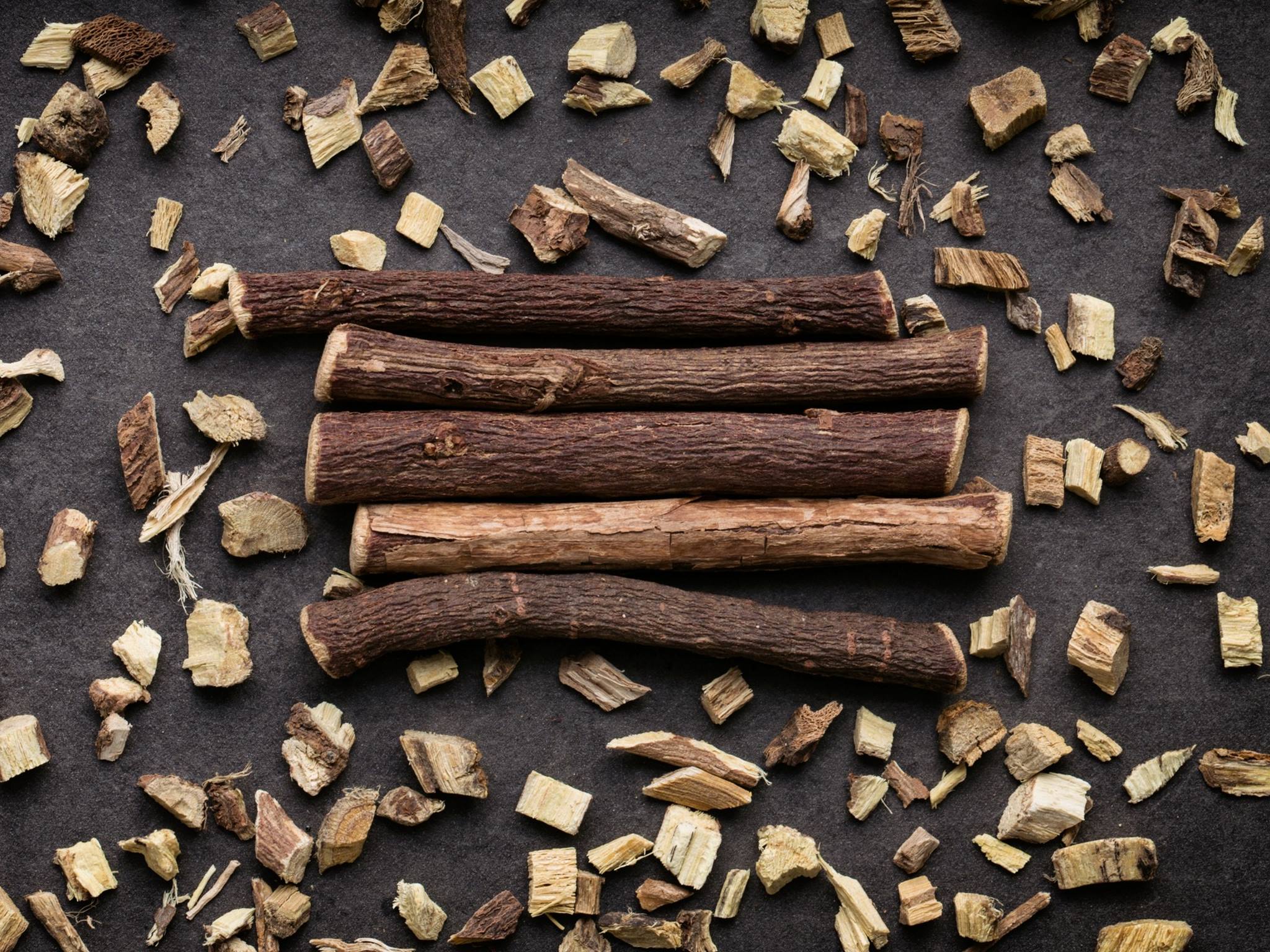
In Calabria, licorice has never been just an ingredient. It is a symbol, a scent of childhood, a piece of the agricultural history of ancient Enotria. Amidst the warm winds of the Ionian Sea and the clay soils that retain the sun, Glycyrrhiza glabra finds its ideal conditions. It does not grow everywhere with the same vigor, which explains why Calabrian root is considered the best in the world: it has an unparalleled concentration of aromas and natural sweetness.




.webp)


 Created by Dopamine Studio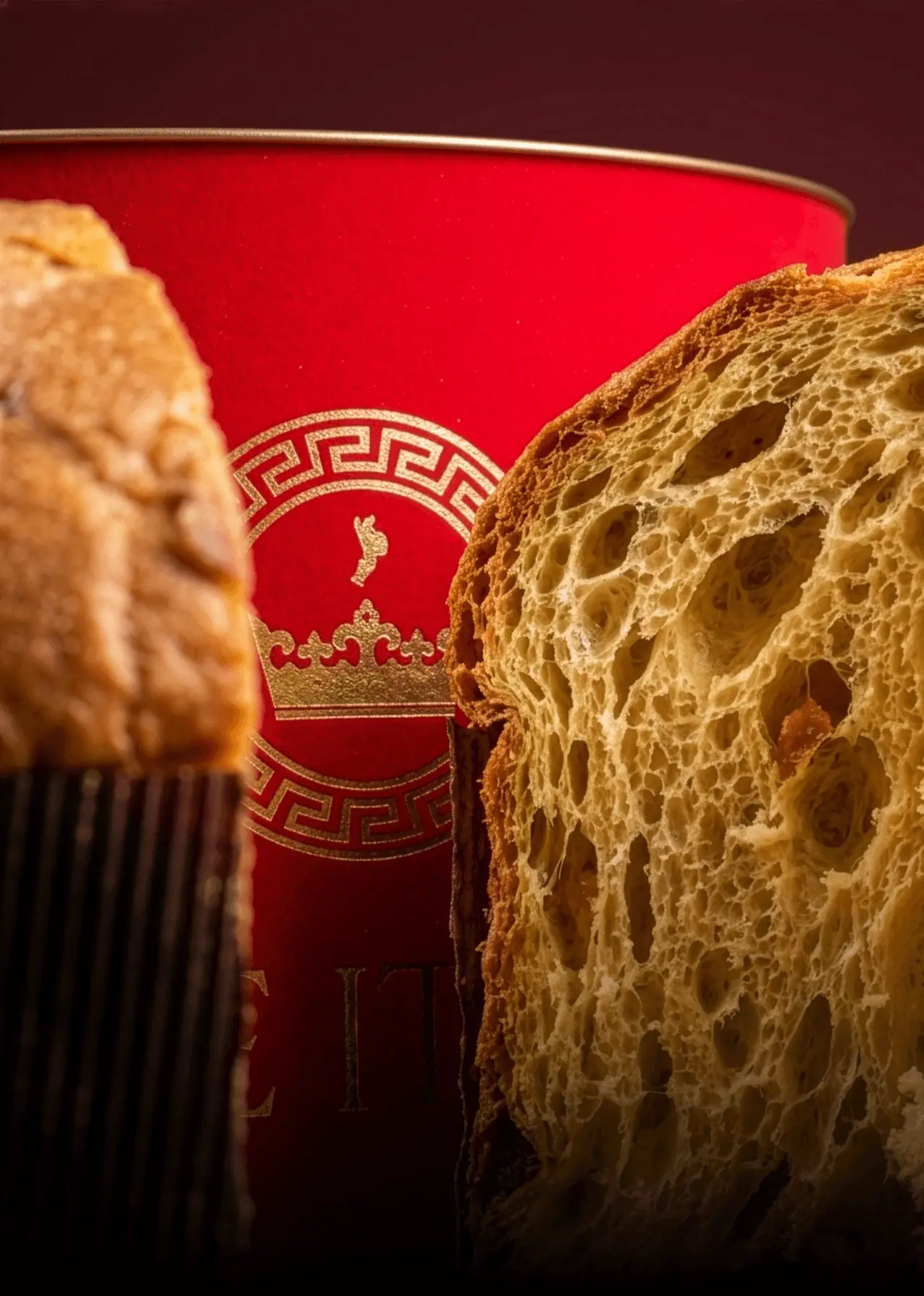
Through November 15, every panettone order ships at our expense anywhere in Italy. From our workshop in Corigliano-Rossano to your table, with no shipping costs.


