Pre-orders are now open!
Free shipping in Italy!
Through November 15
Pre-orders are now open!
Free shipping in Italy!
Through November 15
Pre-orders are now open!
Free shipping in Italy!
Through November 15
March 6, 2026
There are products that are not created to impress, but inevitably end up doing so. Dottati del Cosentino PDO figs belong to this rare category: fruits that are simple only in appearance, capable of encapsulating centuries of history, landscape, agricultural culture, and Mediterranean flavor. They are not a recent fad or a modern interpretation of tradition. Rather, they are a continuity, a thread that links ancient Enotria to today's Calabria.
.jpg)
Reading Time

5
Min
There are products that are not created to impress, but inevitably end up doing so. Dottati del Cosentino PDO figs belong to this rare category: fruits that are simple only in appearance, capable of encapsulating centuries of history, landscape, agricultural culture, and Mediterranean flavor. They are not a recent fad or a modern interpretation of tradition. Rather, they are a continuity, a thread that links ancient Enotria to today's Calabria.
The fig is one of the first fruits cultivated by man in the Mediterranean basin. In Calabria, and in particular in the Cosenza area, it has found such a favorable habitat that it has become more than just a crop. Here, the Fico Dottato Bianco grows slowly, following the rhythm of the sun, the wind, and the earth. It is a fruit that does not need to be forced, because it already knows what it must become.
.jpg)
Its roots lie in ancient history. The Greeks who inhabited Enotria were well aware of the value of figs, an energy-rich food that was easy to preserve and invaluable during journeys and periods of scarcity. The Romans considered it a noble fruit, while in the Middle Ages it became a staple of the daily diet of rural communities, providing a natural source of sugars, fiber, and nutrients. In the following centuries, especially between the 18th and 19th centuries, dried figs from Cosenza began to travel outside Calabria, appreciated in Italian and European markets for their superior quality. It is no coincidence that this area has been awarded the Protected Designation of Origin. The PDO protects not only the geographical area, but also a set of unique conditions: a dry climate, significant temperature variations, well-drained soil, and a botanical variety that immediately stands out for its structure, sweetness, and texture. Cosenza PDO Dottati Figs are exclusively dried figs of the Dottato Bianco variety, grown and processed within the certified area according to precise and controlled practices.
.jpg)
The production process is one of the aspects that best illustrates the value of this fruit. The figs are left to ripen on the tree for a long time, until they naturally begin to lose some of their water content. Harvesting is done manually, patiently, and respectfully. After that, the drying process begins, which is still often carried out using traditional methods: the fruits are laid out on cane racks or in airy, sunny places, where time does its work without artificial acceleration.
During drying, the fig undergoes a transformation. It loses weight, becomes more concentrated, and changes color. It takes about three pounds of fresh figs to make one pound of dried figs, and it is in this apparent loss that richness is born. The natural sugars intensify, the pulp becomes soft, almost creamy, and the aromatic profile deepens, with notes of honey, dried fruit, and natural caramel.
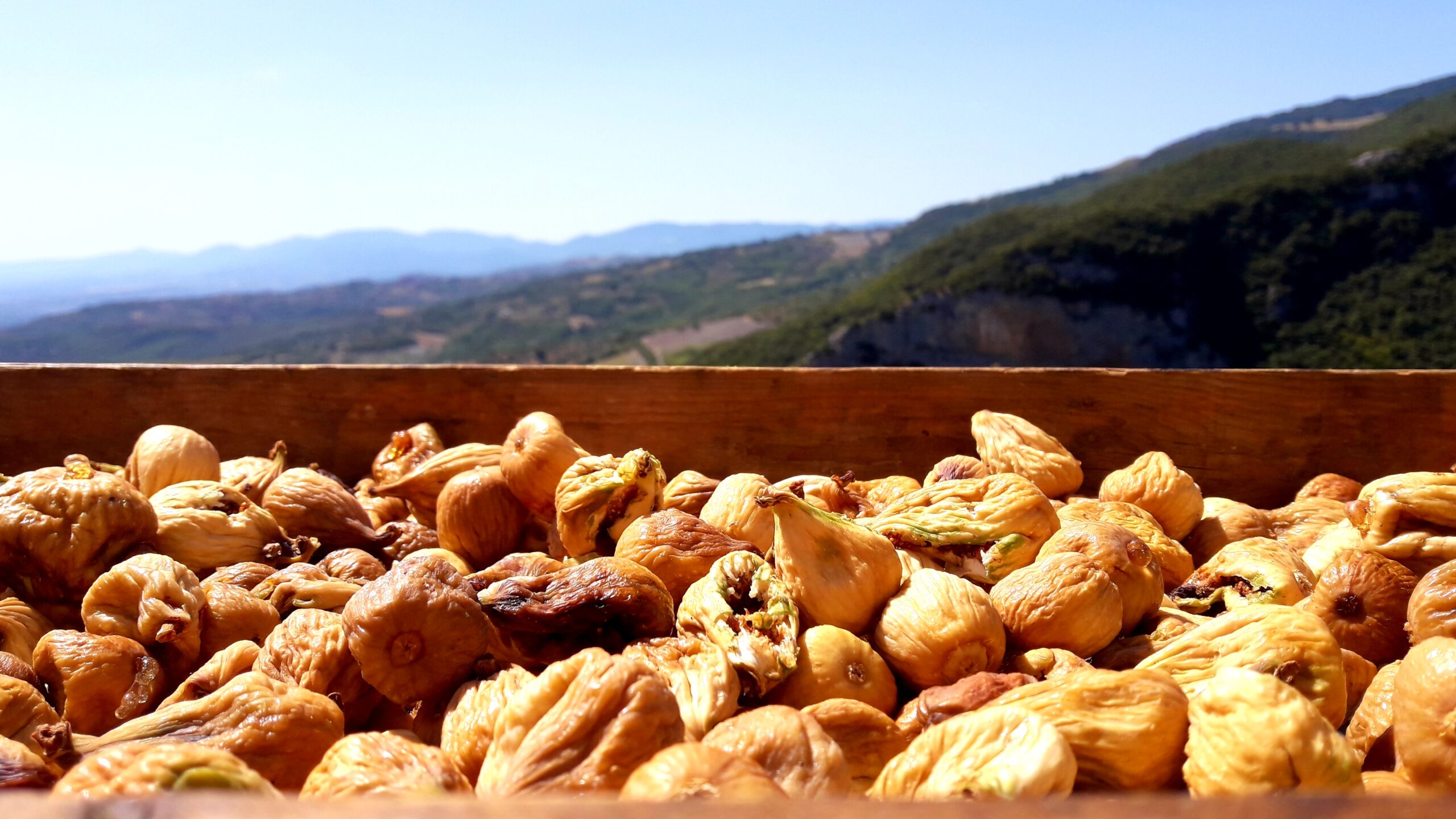
From an organoleptic point of view, Cosentino Dottati figs are immediately recognizable. The thin skin encloses a compact and silky pulp, without the grainy texture typical of other varieties. The sweetness is full but never cloying, balanced, and elegant. There is no need for added sugar, because the fruit has already found its ideal point.
In the kitchen, this characteristic makes them extraordinarily versatile. Calabrian tradition has always used them in dishes that are emblematic of the region: braided figs, figs stuffed with dried fruit, glazed figs—simple yet intense desserts, often associated with celebrations and moments of togetherness. Alongside these historical uses, today the Dottato Fig PDO is also being rediscovered in a contemporary context, as an ingredient that pairs well with savory dishes, aged cheeses, dark chocolate, or the long-rising processes of artisanal pastries—as in the panettone Dottati di Cosenza PDO figspanettone Il Bruzio
.jpg)
It is precisely this dual nature, ancient and modern, that makes Cosentino Dottati figs so relevant today. They are a product that speaks of memory, but also of the future. Behind every fig there is a supply chain made up of small producers, families, and farms that continue to work with respect for the land, keeping alive techniques that would otherwise risk disappearing. The PDO is not just a certification, but a cultural guarantee, a way to protect an identity.
In the world of fine pastries and artisanal leavened goods, Dottati figs are a prized ingredient, capable of adding depth and character without the need for artificial additives. In U Re Italo products, such as the Bruzio, they become quiet yet distinctive stars, bringing with them the warmth of Calabria, its history, and its most authentic flavor.
Cosentino Dottati figs are not just a dried fruit. They are an ongoing story, a testament to how time, when respected, can transform simplicity into excellence. A product that does not seek to impress with excess, but wins you over with consistency, depth, and authenticity.


Bruzio is a panettone the ancient spirit of Calabria, combining the sweetness of Cosenza’s Dottati figs with the rich aroma of dark chocolate. A blend of tradition and flavor that celebrates the history of our land in every slice.


Soft Wheat Flour · Water · Butter · Egg Yolks from Fresh, Pasteurized Eggs · Fresh Sourdough Starter · Natural Wheat Yeast (Powder) · "Cosenza DOP Figs" · Dark Chocolate Chips · Sugar · Calabrian Chestnut Honey · Salt
Ingredients: Type 0 soft wheat flour, water, fresh egg yolks, cream butter, Cosenza PDO figs, dark chocolate chips, sugar, soft wheat sourdough starter, Calabrian chestnut honey, salt.
Stories from the Lab
From the Calabrian region to artisanal craftsmanship, from the secrets of natural yeast to the PDO ingredients that make our panettone unique in Italy: our blog shares what the packaging can’t convey. Read to understand, learn to make better choices.
.jpg)
Today, candied fruit divides opinion. Some people seek it out, others avoid it, and still others consider it an unnecessary detail. Yet before becoming a controversial ingredient, candied fruit was a necessity, an achievement, a sign of civilization. Understanding why it is used means going back much further than a recipe; it means entering into a story of time, preservation, travel, and waiting.
.jpg)
In recent years, panettone become much more than just a Christmas dessert. It’s a topic of debate, a statement of style, a declaration of intent. Today, people talk about it all year round, comparing its rise, ingredients, and aromas, and even traveling to taste it. Yet, precisely because panettone become part of everyday conversation, recognizing a true panettone has never been more important.
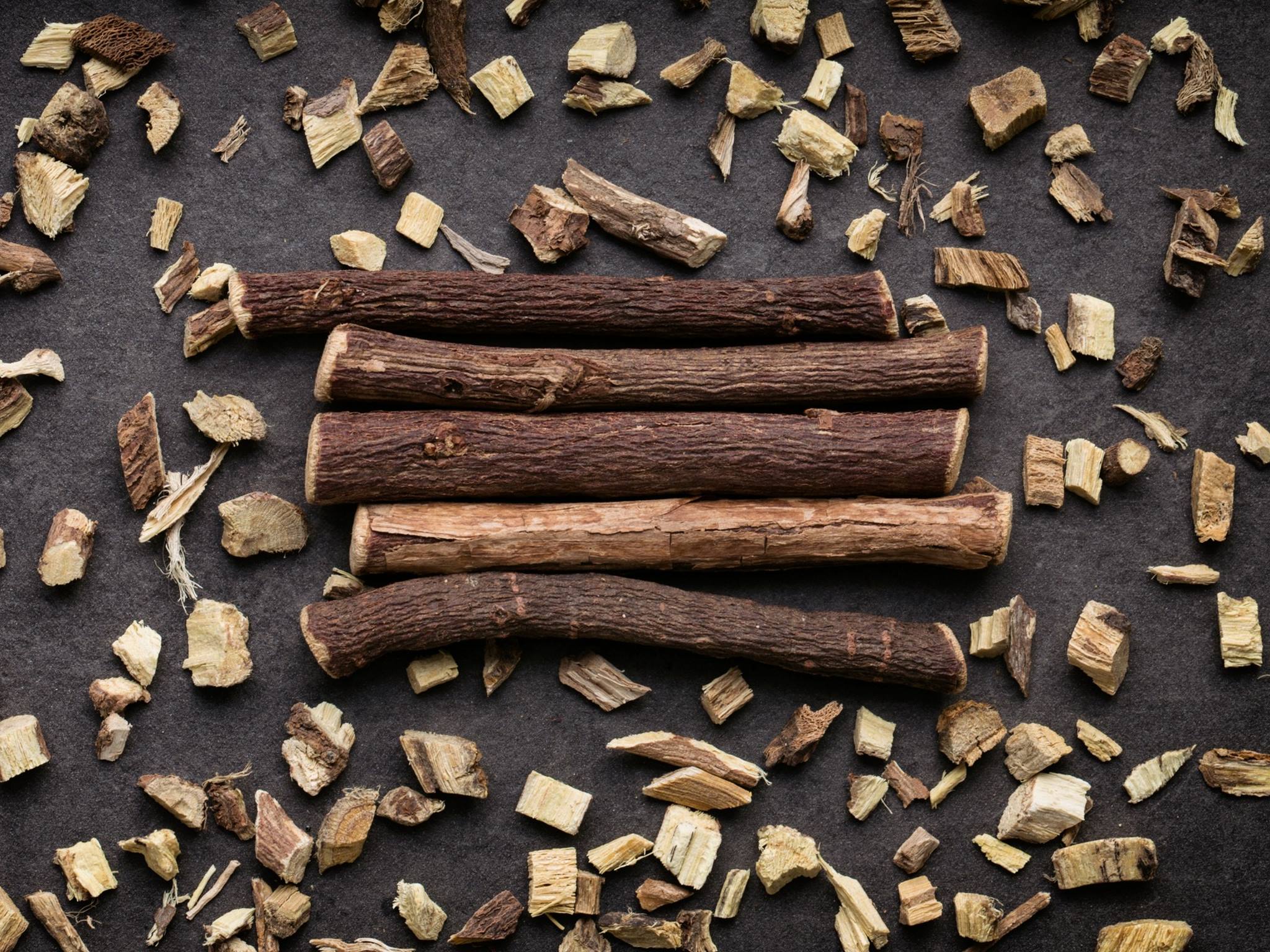
In Calabria, licorice has never been just an ingredient. It is a symbol, a scent of childhood, a piece of the agricultural history of ancient Enotria. Amidst the warm winds of the Ionian Sea and the clay soils that retain the sun, Glycyrrhiza glabra finds its ideal conditions. It does not grow everywhere with the same vigor, which explains why Calabrian root is considered the best in the world: it has an unparalleled concentration of aromas and natural sweetness.




.webp)


 Created by Dopamine Studio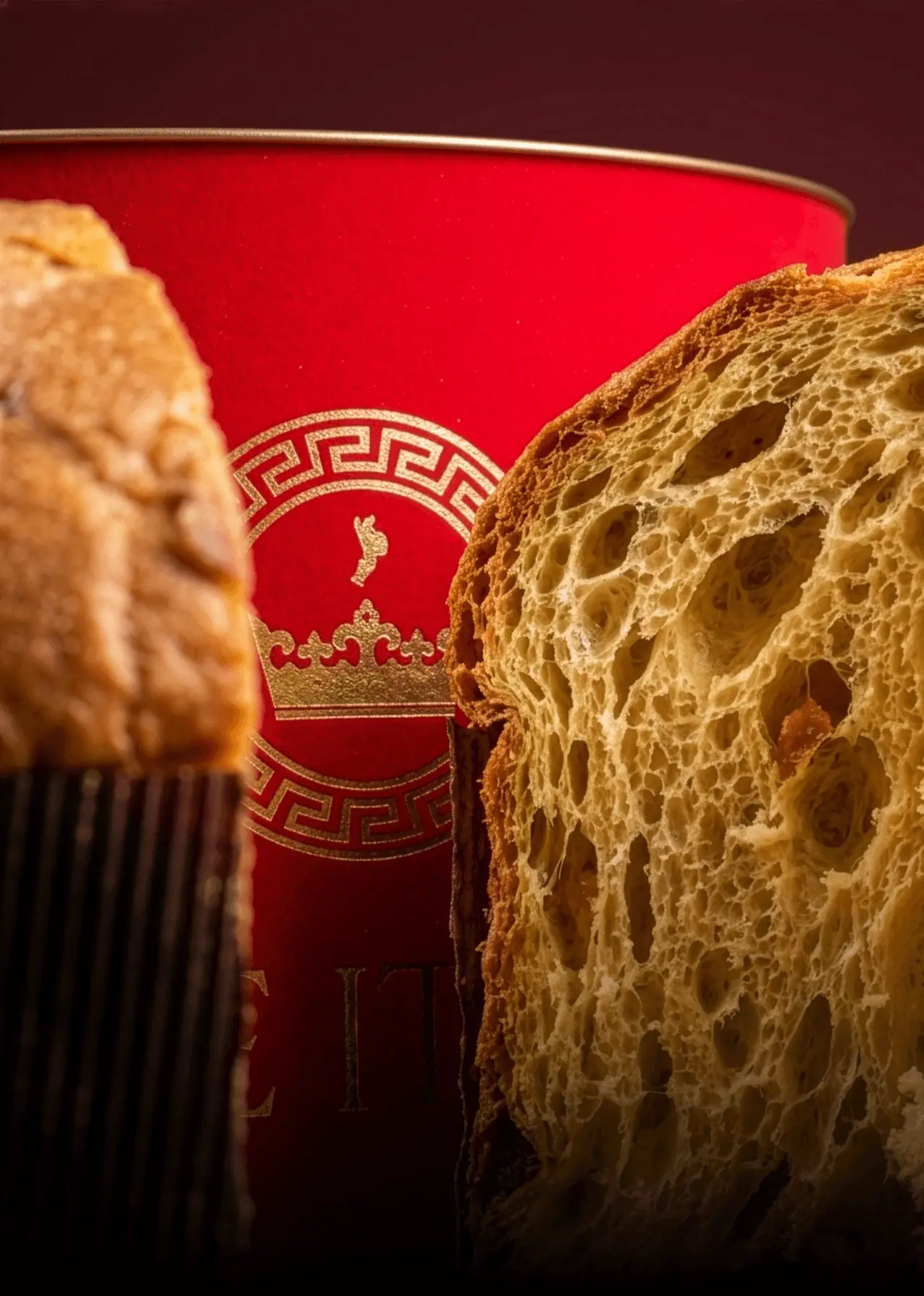
Through November 15, every panettone order ships at our expense anywhere in Italy. From our workshop in Corigliano-Rossano to your table, with no shipping costs.


